



What's New
Displaying results 221 - 230 of 4924
Resource | Reviews and Snapshots,
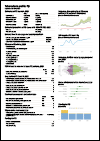
Tuberculosis profiles are generated automatically based on data reported by countries and which are held in WHO's global TB database. The document includes data for estimates of TB burden, UHC and social protection, TB/HIV care in new and relapse TB patients, drug-resistant TB care in the country.
Resource | Reviews and Snapshots,
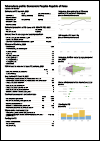
Tuberculosis profiles are generated automatically based on data reported by countries and which are held in WHO's global TB database. The document includes data for estimates of TB burden, UHC and social protection, TB/HIV care in new and relapse TB patients, drug-resistant TB care in the country.
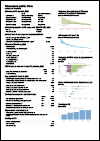
Resource | Reviews and Snapshots,
Tuberculosis profiles are generated automatically based on data reported by countries and which are held in WHO's global TB database. The document includes data for estimates of TB burden, UHC and social protection, TB/HIV care in new and relapse TB patients, drug-resistant TB care in the country.
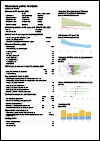
Resource | Reviews and Snapshots,
Tuberculosis profiles are generated automatically based on data reported by countries and which are held in WHO's global TB database. The document includes data for estimates of TB burden, UHC and social protection, TB/HIV care in new and relapse TB patients, drug-resistant TB care in the country.
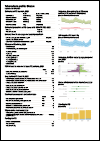
Resource | Reviews and Snapshots,
Tuberculosis profiles are generated automatically based on data reported by countries and which are held in WHO's global TB database. The document includes data for estimates of TB burden, UHC and social protection, TB/HIV care in new and relapse TB patients, drug-resistant TB care in the country.
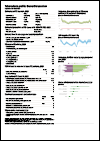
Resource | Reviews and Snapshots,
Tuberculosis profiles are generated automatically based on data reported by countries and which are held in WHO's global TB database. The document includes data for estimates of TB burden, UHC and social protection, TB/HIV care in new and relapse TB patients, drug-resistant TB care in the country.

Resource | Reviews and Snapshots,
Tuberculosis profiles are generated automatically based on data reported by countries and which are held in WHO's global TB database. The document includes data for estimates of TB burden, UHC and social protection, TB/HIV care in new and relapse TB patients, drug-resistant TB care in the country.
Resource | Reviews and Snapshots,
Tuberculosis profiles are generated automatically based on data reported by countries and which are held in WHO's global TB database. The document includes data for estimates of TB burden, UHC and social protection, TB/HIV care in new and relapse TB patients, drug-resistant TB care in the country.
Resource | Publications,
The 2022 Global Strategy progress report provides an assessment of the situation of women’s, children’s and adolescent’s health in this third year of the COVID-19 pandemic. The report presents abundant evidence showing that inequities persist despite great progress in reducing maternal and child mortality in the two decades leading up to the pandemic.
It also showcases key drivers of women’s, children’s and adolescents’ health and well-being. It emphasizes that women’s empowerment and adolescent participation are pivotal to achieving the 2030 Agenda yet notes that there is a long way to go in reducing gender inequality and increasing young people’s meaningful opportunities to actively engage in community and civic life.
Resource | Publications,
UNFPA implements programmes addressing gender-based violence (GBV) in 153 countries and territories, many of which face humanitarian emergencies. Leading resources used by GBV practitioners include the Inter-Agency Minimum Standards for Gender-Based Violence in Emergencies Programming (the GBViE Minimum Standards) released in 2019 and the Essential Services Package for Women and Girls Subject to Violence released in 2015.
Experiences across UNFPA have shown that GBV practitioners have faced challenges in determining when and how to use these tools and how to adapt different approaches to diverse contexts. This brief guidance note defines the distinct objectives of and links between these two resources. It supports GBV practitioners in navigating the use of both across a range of contexts.