

What's New
Displaying results 241 - 250 of 4924
Resource | Infographics,
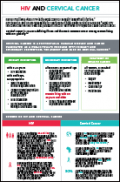
Human Papilloma Virus (HPV) is the most common sexually transmitted infection, and two types of HPV (16 and 18) cause nearly 50% of high-grade cervical pre-cancers. HIV and cervical cancer are inextricably linked. Women living with HIV are six times more likely to develop cervical cancer, which is one of the AIDS-defining illnesses and the most common cancer among women living with HIV globally. Cervical cancer is a preventable, curable disease and can be eliminated as a public health problem with primary and secondary prevention, treatment, and care of cervical cancer, in combination with addressing social, health and other inequalities and integrated approaches.
Resource | Publications,
As part of HIV prevention and care continuum HTS, ART service, and STI service have been strengthened aiming to ensure broader coverage especially amongst KPs. By doing so, a number of initiatives have been applied and expanded such as community testing, self-testing, multi-month dispensing, etc. In the middle of 2019, PrEP has been introduced with the aim to prevent new infection amongst high risk KPs. While originally established as facility-based intervention, the same day PrEP delivery by community-based organizations has also been applied recently in order to further expand the scope and coverage of such service amongst high risk KPs.

Resource | Fact Sheets,
India HIV Estimates 2021, latest round in the series, was undertaken using UNAIDS recommended ‘Spectrum’ tool as in previous rounds. Spectrum version 6.18, the latest version available during the implementation period, was used. This fact sheet provides estimates on key epidemiological parameters of HIV prevalence, PLHIVs, new infections, AIDS related mortality, elimination of mother to child transmission. The fact sheet also includes progress on 95-95-95.
Resource | Publications,
This initiative aims to support the inclusive transformation of systems, by bringing to the fore the issue of power, specifically as considered through the lens of gender.
To support this inclusive transformation, we offer a “Power Dispersal Dandelion,” an easy-to-use framework that anchors users in an inquisitive and explorative mindset and facilitates conversations that contribute to a deeper understanding of, and sensitivity to, power and gender dynamics in systems transformation work.
Resource | Publications,
The United Nations Development Programme (UNDP) has developed a 10-Point Action Agenda for Advancing Gender Equality in Crisis Settings (10PAA), a roadmap to guide its development programming towards results that will help transform and advance gender equality in crisis contexts and achieve the Women, Peace and Security agenda. The 10PAA is central to UNDP’s new Crisis Offer, as well as its new Gender Equality Strategy 2022-2025. It represents a strong corporate commitment to addressing the most stubborn roots of gender inequalities.
Resource | Publications,
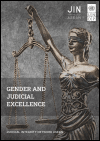
Gender related issues can arise in any judge’s court, in any level of court, by any of the actors in the court and at any stage of a judge’s career, for both men and women. Gender issues are often dismissed as women’s issues or only thought to be relevant in cases related to the family or when women are litigants. Court staff, police officers, expert witnesses and lawyers all might bring a gendered stereotype into their conduct or the way they present evidence.

Resource | Publications,
Primary health care (PHC) is the essential strategy for reorientating health systems and societies to become healthier, equitable, effective and sustainable. WHO outlines 14 strategic and operational levers for policy-makers to strengthen PHC. Within each lever, there are multiple potential entry points for targeted actions to address racial discrimination, foster intercultural care, and reduce health inequities experienced by indigenous peoples as well as people of African descent, Roma and other ethnic minorities.

Resource | Publications,
Data have long served as the bedrock of the global AIDS response. Timely, accurate data inform HIV policies and programmes, strategic planning and resource allocation in order to maximize the impact of the response.
As part of the UN’s data strategy — which seeks to nurture data as a strategic asset for insight, impact and integrity — UNAIDS plays an indispensable role in generating data for effective action against the AIDS pandemic.

Resource | Publications,
The “ENDING AIDS, ENDING INEQUALITIES FAST-TRACK CITIES” report presents recent good practices from the 15 cities included in the joint UNAIDS-IAPAC Fast-Track Cities project supported by PEFPAR/USAID. It shows how cities are responding to HIV and other global health threats, building municipal capacity and strengthening partnerships, using data and spearheading innovation to protect and support their citizens. It further shows that, despite varying contexts and challenges, addressing inequalities and reaching those most vulnerable is central to advancing the HIV response towards ending AIDS by 2030.
Resource | Publications,
The pandemic highlighted the immense challenges that women face in their health, safety and livelihoods. Many women, especially those in vulnerable communities, have lost a generation’s worth of economic gains. With the increase in gender-based violence and the reversal of decades of advancement for women in the workplace, we have reached an inflection point for gender equality.