Despite great strides being made in the area of prevention of HIV/AIDS and in the treatment and care of people living with HIV (PLHIV) through innovative programming and indusive policies,
large numbers of PLHIV in India still have to live with reality of stigma and discrimination faced in multiple settings.
![]() |
Globally, young women aged 15–24 are most vulnerable to HIV, with infection rates twice as high as in young men, at 0.6%. This disparity is most pronounced in sub-Saharan Africa, where 3.1% of young women are living with HIV, versus 1.3% of young men. Each minute one young woman acquires HIV, accounting for 22% of all new HIV infections, with sexual transmission being the dominant mode of infection. Much remains to be done to ensure that young people are able to correctly identify ways of preventing the sexual transmission of HIV. Download this publication |
![]() |
Besides a robust & expanded HIV Sentinel Surveillance system, monthly reporting from over 10,000 programme units, mapping & size estimations, behavioural surveys as well as several studies, research projects and evaluations are generating rich evidence base on HIV/AIDS under National AIDS Control Programme. Download this publication |
![]() |
This report provides findings from the rollout of the People Living with HIV Stigma Index (PLHIV Stigma Index) in nine countries in the Asia/Pacific Region (Bangladesh, Cambodia, China, Fiji, Myanmar, Pakistan, Philippines, Sri Lanka, and Thailand). It provides the first large-scale regional comparison of standardised HIV-related stigma indicators. The results represent an extraordinary effort by people living with HIV, PLHIV organisations and supporting domestic and international agencies. Download this publication |
![]() |
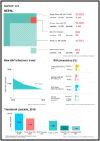
This People Living with HIV Stigma Index study is the first study of this kind that has been conducted on such a comprehensive scale among people living with HIV (PLHIV) in Nepal. HIV and AIDS-related stigma and discrimination exists worldwide and varies only in intensity across countries, communities and individuals. HIV stigma and discrimination together have long been recognized as one of the main obstacles to the prevention, care and treatment of HIV and AIDS. Download this publication |
![]() |
The National Institute of Mental Health Collaborative HIV/Sexually Transmitted Disease Prevention Trial provided a unique opportunity to test whether, with the community-based diffusion of HIV/sexually transmitted disease prevention information and an elevated understanding of HIV, the level of stigmatizing attitudes toward people living with HIV/AIDS in the community would be reduced. Download this publication |
![]() |
With funding support from the European Commission (EC), the ICP project has been implemented since 2007 in Prey Veng, Kampong Chnnang, and Kampong Speu provinces. The project consists of homebased care (HBC); facilitation of access to care and treatment; provision of socio-economic support to PLHIV, OVC and their families; and stigma and discrimination reduction faced by PLHIV and OVC. Reviewing and documenting the mid-term project, relating to all relevant information regarding project implementation, is crucial in order to monitor progress and provide feedback to the project planner and implementer, so that revised interventions and better project implementation can be made.
|
![]() |
The Fiji Network for People Living with HIV AIDS (FJM+) hereby submits this report to the International Planned Parenthood Federation (IPPF) on the results of the People Living with HIV Stigma Index conducted in the Fiji Islands in 2010. This submission is based on interviews conducted in Suva and Lautoka on the Island of Viti Levu and in Labasa on the Island of Vanua Levu. The conduct of this study required and achieved the approval of the Fiji National Research Ethics Review Committee. This final report follows the preliminary report submitted on the 14th January 2010. Download this publication |